What is Tarot?
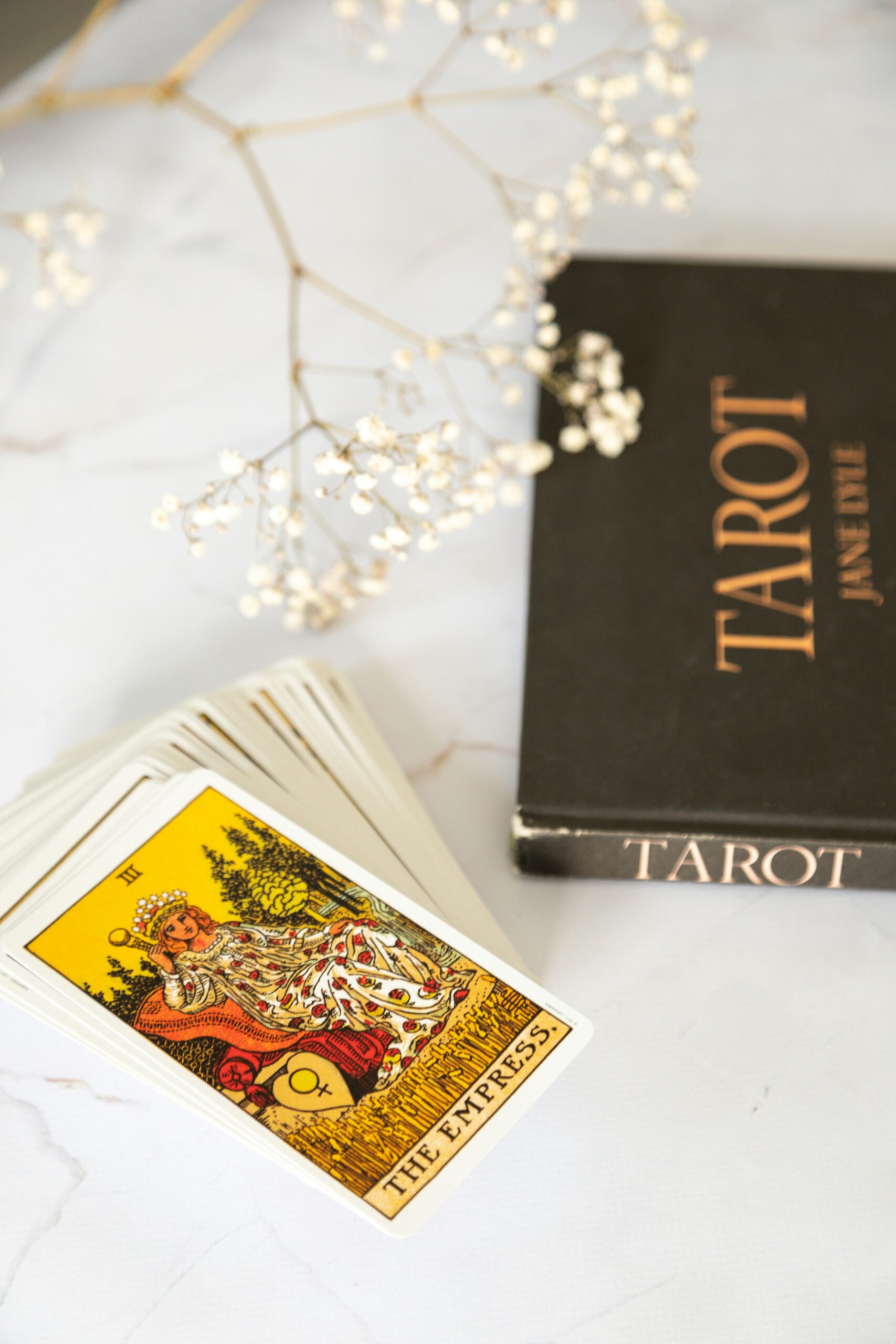
Tarot is an intricate system of symbolism and intuition, rooted in centuries of tradition and human curiosity. At its core, a tarot deck is made up of 78 cards, each containing a unique image, story, and meaning. The deck is split into two major parts:
- The Major Arcana (22 cards): These cards represent life’s larger themes—spiritual awakenings, challenges, and milestones that shape our personal journeys. Cards like The Fool, The Lovers, or The World depict archetypes that many people recognize, regardless of culture or background.
- The Minor Arcana (56 cards): These cards reflect everyday experiences, relationships, struggles, and victories. Divided into four suits—Cups, Pentacles, Swords, and Wands—they mirror aspects of life such as emotions, finances, intellect, and ambition.
While tarot has often been linked to fortune-telling, it is more widely recognized today as a reflective tool. The imagery on the cards acts as a mirror, helping people uncover patterns in their thoughts, emotions, and behaviors. This is why tarot is often described as “a conversation with yourself, guided by symbols.”
A Brief History of Tarot
Tarot’s roots trace back to the 15th century, when it first appeared as a card game in Europe. Over time, occultists and mystics adopted tarot for spiritual practices, developing interpretations based on astrology, numerology, and esoteric philosophy.
The tarot renaissance of the late 19th and early 20th centuries—fueled by movements like The Golden Dawn and notable decks such as the Rider–Waite–Smith—cemented tarot as a tool for divination and spiritual exploration.
Today, tarot has transcended its origins, embraced by people of all backgrounds—those seeking spiritual guidance, creative inspiration, or simply a way to pause and reflect on life.
Divination or Self‑Discovery?
The question often arises: Is tarot about predicting the future or understanding yourself better?
As a tool for divination, tarot readings may focus on future events, unseen influences, or spiritual guidance. People often come to tarot readers asking:
- What’s coming next in my love life?
- What challenges should I prepare for in my career?
- How will this decision impact me long-term?
As a tool for self-discovery, tarot takes on a different role—one of reflection and insight. Instead of asking What will happen?, the focus shifts to questions like:
- What do I need to know about my current situation?
- How can I better align with my values?
- What perspective am I missing right now?
Both approaches are valid. For some, tarot is mystical—a bridge to unseen forces or universal wisdom. For others, it’s psychological—a tool for exploring subconscious thoughts and emotions. And for many, it’s a blend of both, making tarot as versatile as the people who use it.
Why Tarot Still Matters
In an age where information is everywhere and answers come instantly, tarot invites something different: a moment to slow down and reflect.
- Personal Clarity: By laying out the cards, people can step back from their situation and see it from a new perspective.
- Mindfulness & Ritual: Shuffling cards and engaging with symbolic imagery can serve as a meditative ritual, grounding you in the present.
- Empowerment: Rather than telling you what to do, tarot encourages you to find your own answers, fostering a sense of agency.
- Connection: For some, tarot offers a spiritual or intuitive connection—whether that’s with their inner self, a higher power, or the collective unconscious.
Is Tarot for You?
Whether you approach tarot as a spiritual guide, a personal journal prompt, or even an artistic inspiration, it meets you where you are. You don’t have to believe in fate or cosmic forces to benefit from tarot; you only need curiosity and an open mind.
Some people make tarot a daily practice, drawing a card each morning as a reflection point. Others seek tarot during life’s crossroads, using it to illuminate possibilities and paths forward. And many simply enjoy tarot for its imagery, history, and ability to spark meaningful conversations.